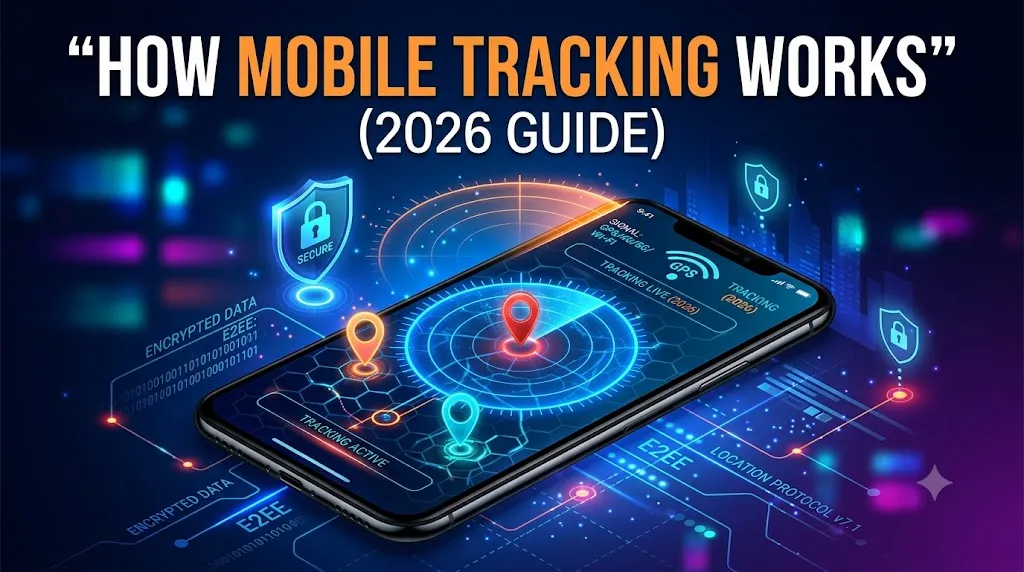
Mobile phones have become an important part of our daily lives. From communication to navigation, they help us stay connected and organized. One of the most useful modern features is mobile location tracking, which allows users to know the real-time or recent location of a device.
Whether you want to ensure your child reaches school safely, coordinate with friends during travel, or find a lost phone, location tracking can be very helpful. However, it is equally important to use this technology responsibly and always respect privacy.
In this guide, we will explain how mobile tracking works, where it is useful, and what safety practices you should follow.
What Is Mobile Phone Tracking?
Mobile phone tracking refers to identifying the location of a smartphone using technologies like GPS, Wi-Fi signals, and mobile networks.
Most modern smartphones already include built-in location services that allow users to share their live location with trusted contacts such as family members or friends.
Why Do People Use Mobile Tracking?
There are several practical and safe reasons people use mobile tracking in daily life:
| Purpose | Benefit |
|---|---|
| Family Safety | Helps ensure loved ones reach safely |
| Lost Phone Recovery | Locates missing or stolen devices |
| Travel Coordination | Makes group travel easier |
| Elderly Support | Assists in monitoring elderly family members |
| Work Device Tracking | Helps manage company-owned phones |
When used properly, tracking tools improve safety and communication without invading privacy.
How Mobile Tracking Works
Smartphones use multiple technologies together to determine location accurately.
GPS (Global Positioning System)
GPS uses satellites to identify the exact location of a device. It is the most accurate tracking method and can often pinpoint location within a few meters.
Wi-Fi Positioning
When GPS signals are weak (like indoors), phones use nearby Wi-Fi networks to estimate location.
Mobile Network Tracking
Cell towers help estimate location when GPS or Wi-Fi is not available. It is less accurate but still useful.
Comparison of Tracking Methods
| Method | Accuracy | Indoor Use | Battery Impact |
|---|---|---|---|
| GPS | Very High | Limited | Medium to High |
| Wi-Fi | High | Excellent | Low |
| Cell Towers | Moderate | Good | Low |
Most smartphones combine all three methods for better accuracy.
Safe and Legal Ways to Track a Phone
Modern smartphones offer built-in tools that are safe, legal, and reliable.
Find My (Apple Devices)
Apple provides a built-in feature called Find My, which allows users to:
-
Share live location with family
-
Track lost devices
-
Lock or erase phone remotely
-
Receive location alerts
This system is designed with strong privacy controls.
Google Maps Location Sharing
Android users can share their real-time location using Google Maps.
Features include:
-
Temporary or continuous sharing
-
Live movement tracking
-
Trusted contact sharing
-
Easy control and stopping access anytime
Family Safety Apps
Some apps are designed specifically for family safety and communication.
Common features include:
-
Real-time GPS tracking
-
Geofencing alerts (enter/exit notifications)
-
Emergency alerts
-
Driving reports
-
Location history
These tools are especially helpful for parents and caregivers.
How to Find a Lost Phone
If your phone is lost, you can use built-in recovery tools.
For iPhone Users:
-
Sign in to Apple ID
-
Open Find My app
-
Locate device on map
-
Play sound or lock phone
For Android Users:
-
Sign in to Google account
-
Open Find My Device
-
Track location on map
-
Lock or erase data remotely
Privacy and Legal Responsibility
While mobile tracking is useful, it must be used responsibly.
Always Get Permission
Tracking someone without their consent can violate privacy laws in many regions.
Respect Privacy Boundaries
Location sharing should be used for safety, not constant monitoring.
Protect Your Data
To stay secure:
-
Use strong passwords
-
Enable two-factor authentication
-
Share location only with trusted people
-
Review app permissions regularly
Tips for Better Tracking Accuracy
To improve location accuracy:
-
Keep GPS turned on
-
Ensure internet connection is active
-
Update apps regularly
-
Keep device charged
Common Mistakes to Avoid
Avoid these common errors:
-
Tracking without permission
-
Using untrusted tracking apps
-
Turning off location services frequently
-
Sharing login details with others
-
Ignoring privacy settings
Using official built-in tools is always safer than third-party unknown apps.
Future of Mobile Tracking
Mobile tracking technology continues to improve rapidly. Future systems may include:
-
More accurate indoor navigation
-
AI-based safety alerts
-
Faster emergency response systems
-
Improved battery efficiency
-
Stronger privacy protection
The goal is to balance safety with user privacy.
Key Takeaways
-
Always use tracking with consent
-
Prefer official tools like Google and Apple services
-
Protect your account with strong security
-
Use location sharing only when needed
-
Respect privacy at all times
Final Thoughts
Mobile tracking can be a powerful tool for safety, communication, and device recovery when used correctly. It helps families stay connected and provides peace of mind in everyday life.
However, the most important principle is respect for privacy and responsible use. By relying on trusted tools and following ethical practices, you can safely benefit from modern location technology.
FAQs
Is mobile tracking legal?
Yes, but only when used with proper consent.
Can I track a family member?
Yes, if they agree to share their location.
What is the most accurate method?
GPS tracking is the most accurate.
Do I need an app to find my phone?
No, most phones already have built-in tracking tools.
Does tracking drain battery?
Yes, but modern devices optimize battery usage.